Context
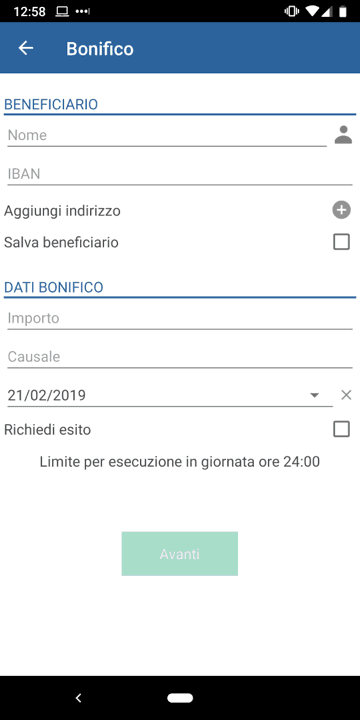
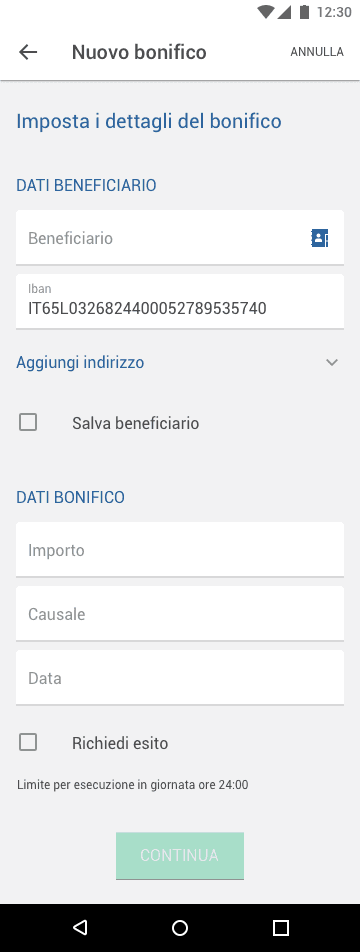
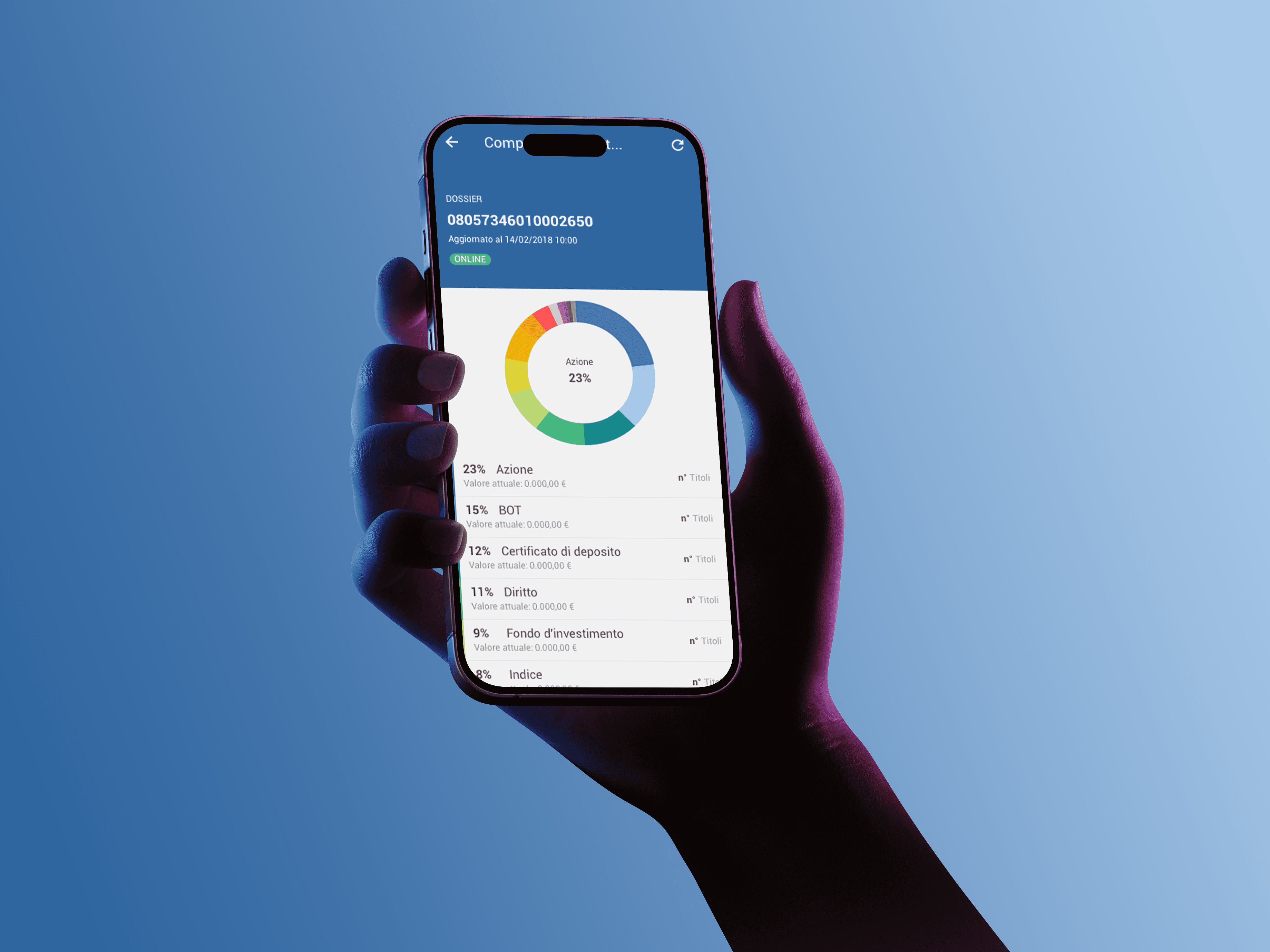
Inbank is a multi-platform digital banking product serving different user profiles, from everyday banking to advanced trading. As the product evolved, features were shipped consistently, but interface decisions were increasingly made in isolation. The problem wasn’t visual inconsistency. It was decision fragmentation.
The real problem
What needed to be addressed was not how the interface looked, but how design decisions were made, reused, and validated. Without a shared structure, every new feature re-opened discussions that had already been solved elsewhere. This slowed down delivery, weakened consistency, and made the system harder to evolve.
The risk was not a broken interface, but a product that became increasingly expensive to change.
My role
I worked as a Senior UI / Product Designer within a cross-functional product team. My responsibility was to define the structure and principles of the design system, make interface decisions explicit and reusable, and align design and development around shared patterns. A key part of the work was translating UX research insights into system-level decisions that could support the product over time rather than solving isolated problems.
Key decisions
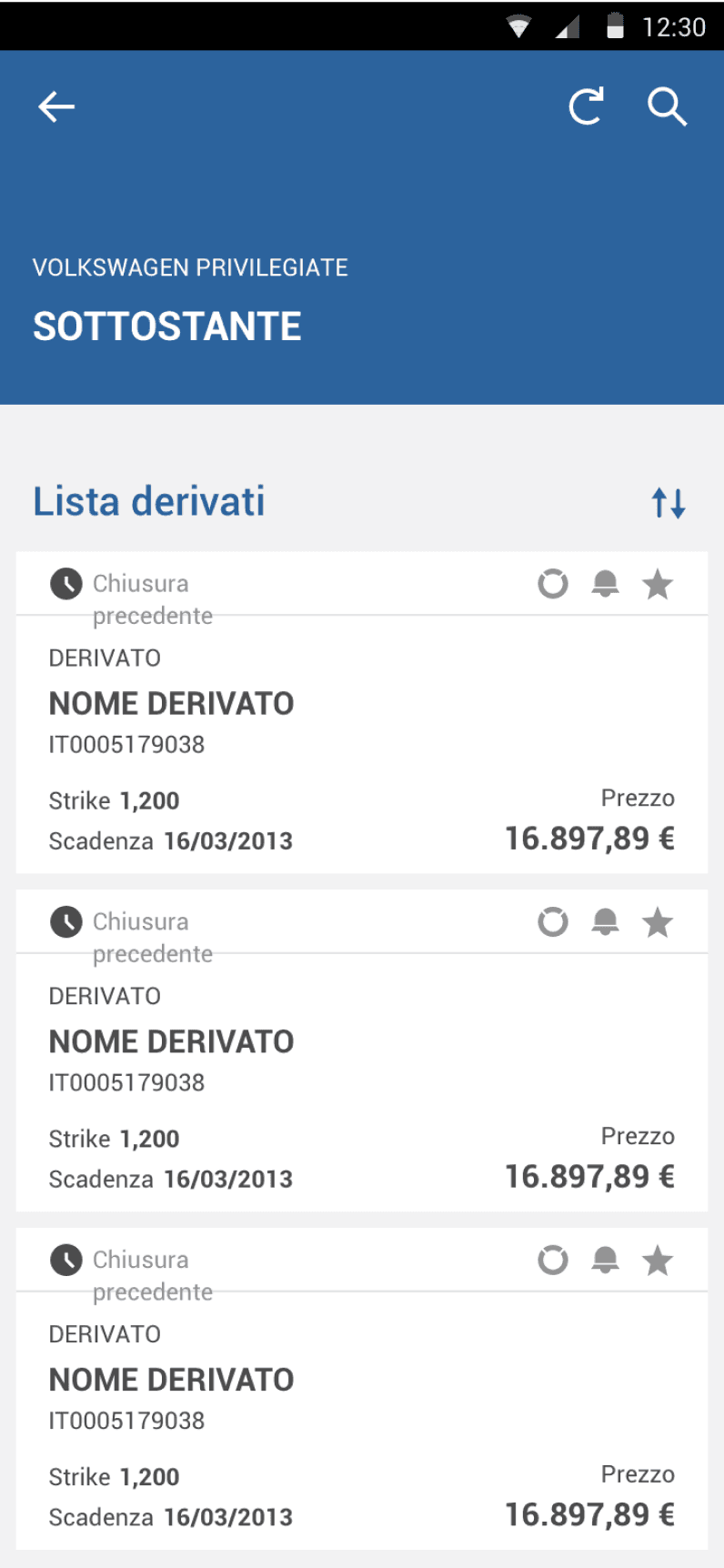
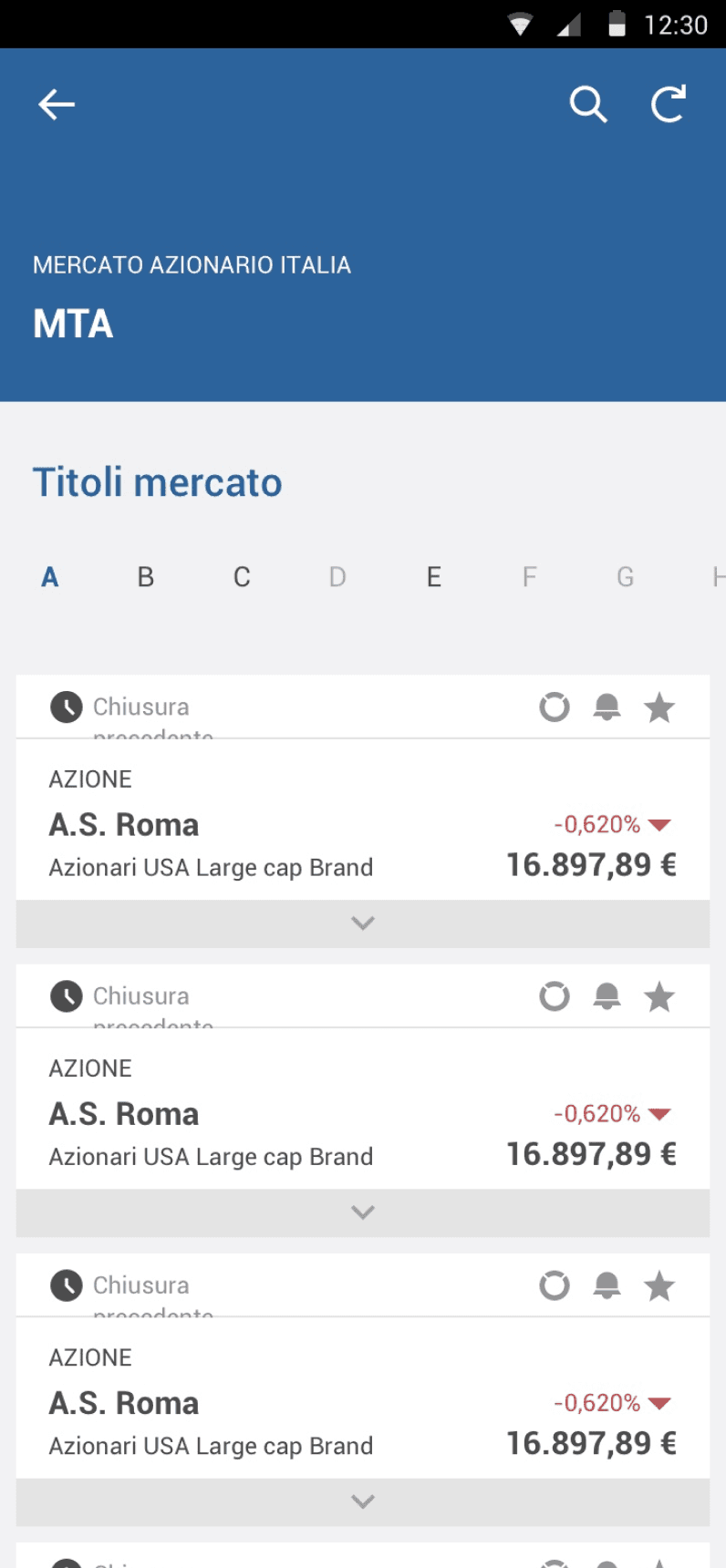
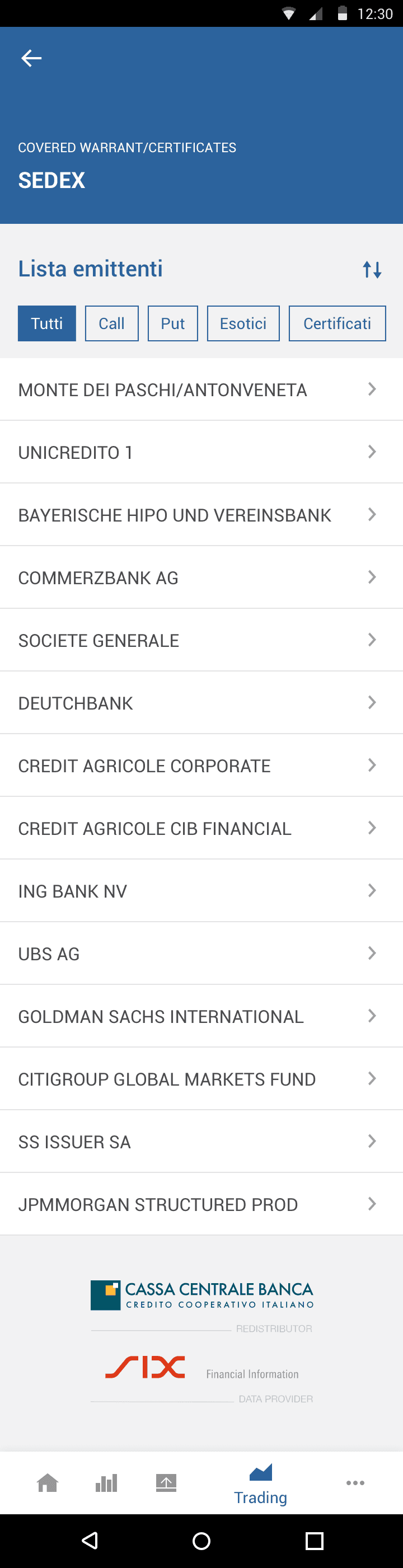
The system was designed as a long-term product asset rather than a UI library, prioritizing stability and governance over visual completeness. A clear separation between semantic meaning and visual values allowed the interface to evolve without breaking product logic. Components were defined around behavior instead of screens to reduce duplication and edge-case driven design. Documentation focused on alignment and shared understanding rather than exhaustive coverage.
These decisions increased upfront effort but significantly reduced long-term friction.
What changed
UI decisions became faster and more consistent, collaboration between design and development improved, and feature delivery relied less on ad-hoc solutions. The product gained a shared interface language that made complexity manageable rather than expensive.