Coop Alleanza 3.0

Redesigned Coop's digital identity with flexible design system and components

Duration

12 months +

Made with

Tangible

Stakeholder

Coop Alleanza 3.0

Industry

Retail

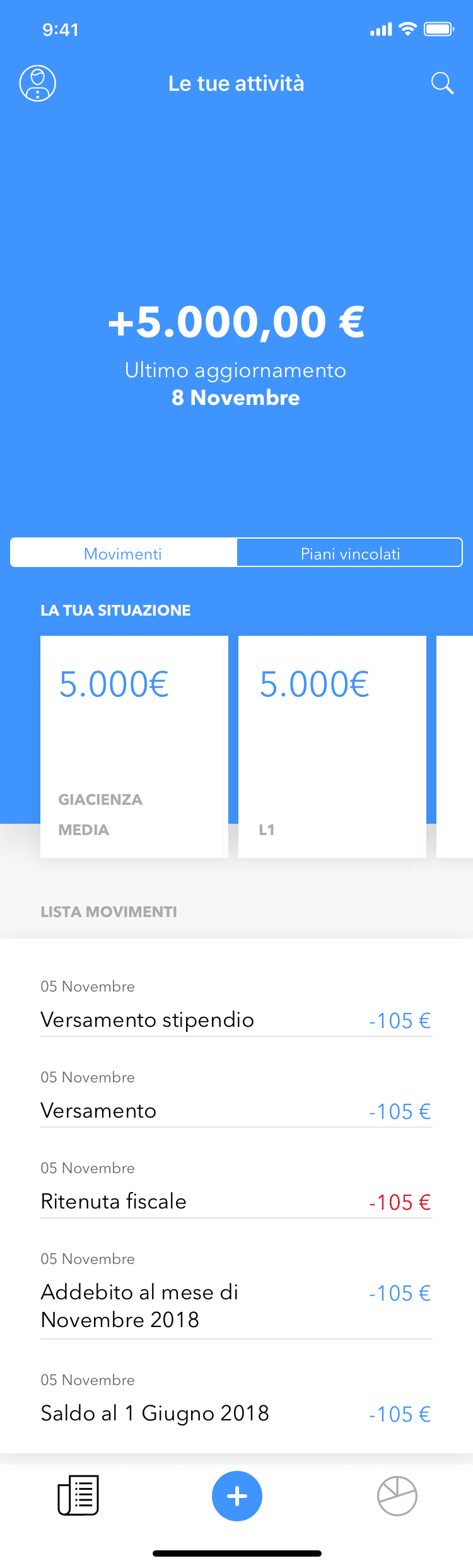
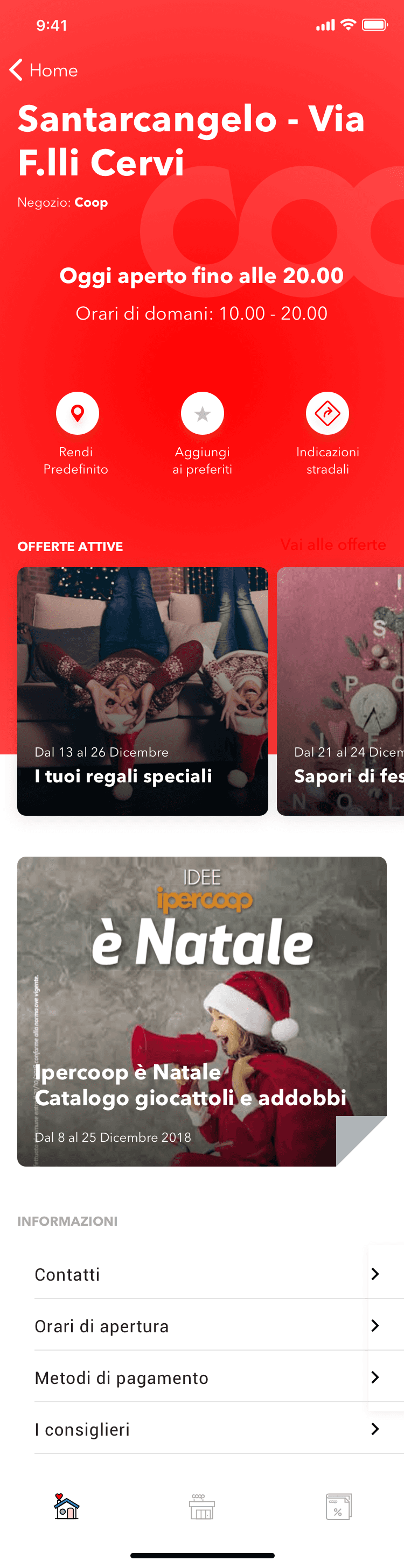
The Coop Alleanza 3.0 design system was developed in a context where digital products needed to evolve quickly while remaining consistent across multiple teams, platforms, and services. The challenge was not visual inconsistency, but fragmentation: different teams solving similar problems in parallel, with limited shared structure to support scale. The design system was introduced to create a common foundation that could support growth without slowing teams down.

Coop Alleanza 3.0

Redesigned Coop's digital identity with flexible design system and components

Duration

12 months +

Made with

Tangible

Stakeholder

Coop Alleanza 3.0

Industry

Retail

The Coop Alleanza 3.0 design system was developed in a context where digital products needed to evolve quickly while remaining consistent across multiple teams, platforms, and services. The challenge was not visual inconsistency, but fragmentation: different teams solving similar problems in parallel, with limited shared structure to support scale. The design system was introduced to create a common foundation that could support growth without slowing teams down.

Coop Alleanza 3.0

Redesigned Coop's digital identity with flexible design system and components

Duration

12 months +

Made with

Tangible

Stakeholder

Coop Alleanza 3.0

Industry

Retail

The Coop Alleanza 3.0 design system was developed in a context where digital products needed to evolve quickly while remaining consistent across multiple teams, platforms, and services. The challenge was not visual inconsistency, but fragmentation: different teams solving similar problems in parallel, with limited shared structure to support scale. The design system was introduced to create a common foundation that could support growth without slowing teams down.

Context

Coop Alleanza 3.0 operates across a large and diverse digital ecosystem, including e-commerce, services, and internal platforms. Multiple teams worked in parallel, each with its own priorities and delivery constraints. As products evolved, UI decisions increasingly happened locally. Interfaces worked within individual projects, but coherence at ecosystem level became harder to maintain. The cost of alignment grew with every new feature and team. The risk was not losing consistency, but losing shared understanding.

The real problem

The core issue was organizational fragmentation.

Design decisions were reasonable within single teams, but incompatible across the broader ecosystem. Patterns existed, but without clear ownership or shared rationale. Over time, consistency depended more on individual effort than on system support.

Without a common structure, scaling the product meant scaling negotiation.

My Role

I worked as a Senior UI / Product Designer within a multidisciplinary environment, collaborating with designers, product stakeholders, and developers across different teams.

My responsibility was to define a shared design system structure, align teams around common interface decisions, and support adoption without disrupting ongoing delivery.

The goal was convergence, not replacement.

Context

Coop Alleanza 3.0 operates across a large and diverse digital ecosystem, including e-commerce, services, and internal platforms. Multiple teams worked in parallel, each with its own priorities and delivery constraints. As products evolved, UI decisions increasingly happened locally. Interfaces worked within individual projects, but coherence at ecosystem level became harder to maintain. The cost of alignment grew with every new feature and team. The risk was not losing consistency, but losing shared understanding.

The real problem

The core issue was organizational fragmentation.

Design decisions were reasonable within single teams, but incompatible across the broader ecosystem. Patterns existed, but without clear ownership or shared rationale. Over time, consistency depended more on individual effort than on system support.

Without a common structure, scaling the product meant scaling negotiation.

My Role

I worked as a Senior UI / Product Designer within a multidisciplinary environment, collaborating with designers, product stakeholders, and developers across different teams.

My responsibility was to define a shared design system structure, align teams around common interface decisions, and support adoption without disrupting ongoing delivery.

The goal was convergence, not replacement.

Context

Coop Alleanza 3.0 operates across a large and diverse digital ecosystem, including e-commerce, services, and internal platforms. Multiple teams worked in parallel, each with its own priorities and delivery constraints. As products evolved, UI decisions increasingly happened locally. Interfaces worked within individual projects, but coherence at ecosystem level became harder to maintain. The cost of alignment grew with every new feature and team. The risk was not losing consistency, but losing shared understanding.

The real problem

The core issue was organizational fragmentation.

Design decisions were reasonable within single teams, but incompatible across the broader ecosystem. Patterns existed, but without clear ownership or shared rationale. Over time, consistency depended more on individual effort than on system support.

Without a common structure, scaling the product meant scaling negotiation.

My Role

I worked as a Senior UI / Product Designer within a multidisciplinary environment, collaborating with designers, product stakeholders, and developers across different teams.

My responsibility was to define a shared design system structure, align teams around common interface decisions, and support adoption without disrupting ongoing delivery.

The goal was convergence, not replacement.

Designing for alignment at scale

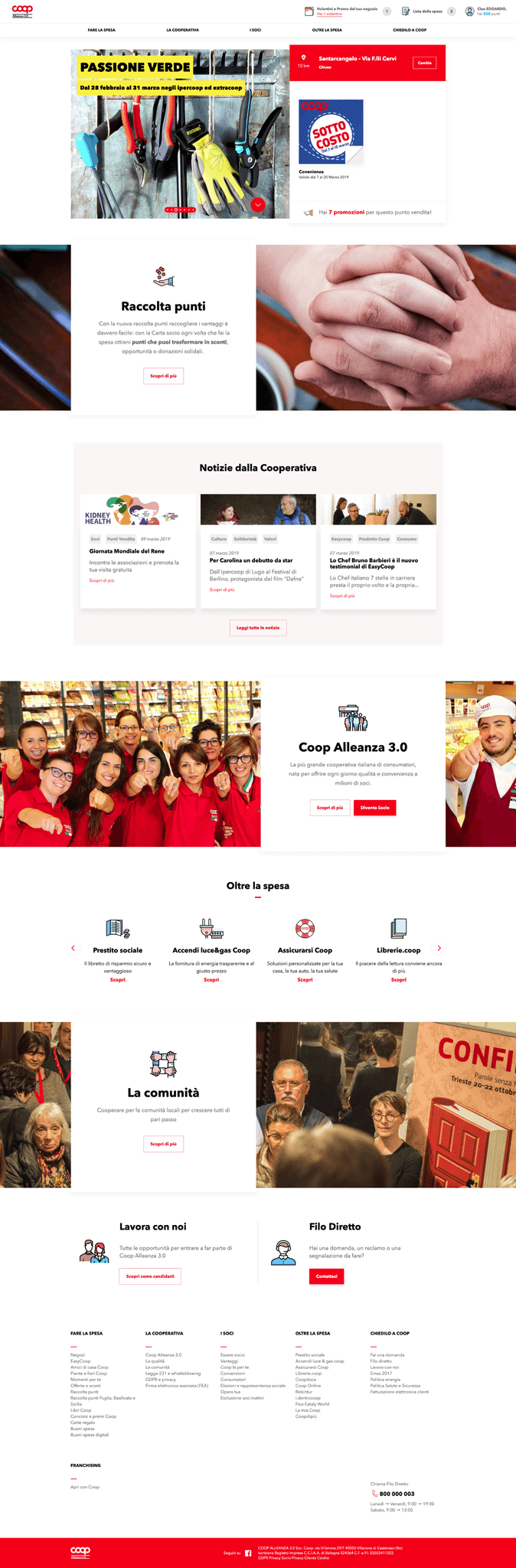
The design system was conceived as a shared language rather than a prescriptive rulebook. Instead of enforcing uniformity, it focused on defining stable foundations and clear boundaries between what needed to be consistent and what could remain flexible. By making decisions explicit, teams could reason about interfaces using the same principles, even when working on different products and timelines. The emphasis was on enabling collaboration, reducing friction, and supporting long-term coherence across the ecosystem.
Avenir

Aa

Primary

#ff0000

Secondary

#ff0000

Grey100

#ff0000

Grey100

#92B44C

Grey100

#333232

Grey100

#333232

Avenir

Aa

Primary

#ff0000

Secondary

#ff0000

Grey100

#ff0000

Grey100

#92B44C

Grey100

#333232

Grey100

#333232

What changed

Design discussions shifted from ad-hoc negotiation to shared reasoning. Teams gained a common reference to align decisions, onboarding became easier, and interface consistency improved without slowing delivery.

The system did not remove complexity, but it prevented it from fragmenting across teams.

Reflection

A design system at this scale is not about control. Its about shared understanding. When teams speak the same interface language, alignment becomes a by-product rather than an ongoing effort.

E.

Currently available for product design roles
and system-driven projects on complex digital products.
If this way of thinking resonates, lets discuss a product.

© Edoardo Sportelli - 2026. Living in Italy, in Fiastra, nestled in the Sibillini Mountains. Like Tuscany, but better. Policy Privacy and Data Protection. No reuse or redistribution without permission.

Currently available for product design roles
and system-driven projects on complex digital products.
If this way of thinking resonates, let’s discuss a product.

© Edoardo Sportelli - 2024
Living in Italy, in Fiastra, nestled in the Sibillini Mountains. Like Tuscany, but better.

Policy Privacy and Data Protection.

No reuse or redistribution without permission.

E.

E.

Currently available for product design roles
and system-driven projects on complex digital products.
If this way of thinking resonates, lets discuss a product.

© Edoardo Sportelli - 2026. Living in Italy, in Fiastra, nestled in the Sibillini Mountains. Like Tuscany, but better. Policy Privacy and Data Protection. No reuse or redistribution without permission.