Inbank

Designing clarity in a decision-heavy financial product

Duration

12 months +

Made with

Tangible

Stakeholder

Allitude

Industry

Home Banking

The Inbank home banking experience was redesigned in a context where usability issues were not cosmetic, but operational. Users were able to complete tasks, but often with uncertainty, hesitation, and unnecessary friction. The goal of the project was not to redesign the interface visually, but to reduce ambiguity and cognitive load in a product where mistakes have real consequences.

Inbank

Designing clarity in a decision-heavy financial product

Duration

12 months +

Made with

Tangible

Stakeholder

Allitude

Industry

Home Banking

The Inbank home banking experience was redesigned in a context where usability issues were not cosmetic, but operational. Users were able to complete tasks, but often with uncertainty, hesitation, and unnecessary friction. The goal of the project was not to redesign the interface visually, but to reduce ambiguity and cognitive load in a product where mistakes have real consequences.

Inbank

Designing clarity in a decision-heavy financial product

Duration

12 months +

Made with

Tangible

Stakeholder

Allitude

Industry

Home Banking

The Inbank home banking experience was redesigned in a context where usability issues were not cosmetic, but operational. Users were able to complete tasks, but often with uncertainty, hesitation, and unnecessary friction. The goal of the project was not to redesign the interface visually, but to reduce ambiguity and cognitive load in a product where mistakes have real consequences.

Context

Inbank’s home banking serves a broad user base, from occasional users to more experienced customers managing frequent financial operations. As features accumulated over time, the experience became increasingly dense, with critical information competing for attention and actions lacking clear prioritization. The challenge was not the lack of functionality, but the difficulty for users to understand what mattered, when, and why.

The real problem

The core issue was not usability in isolation, but decision overload.

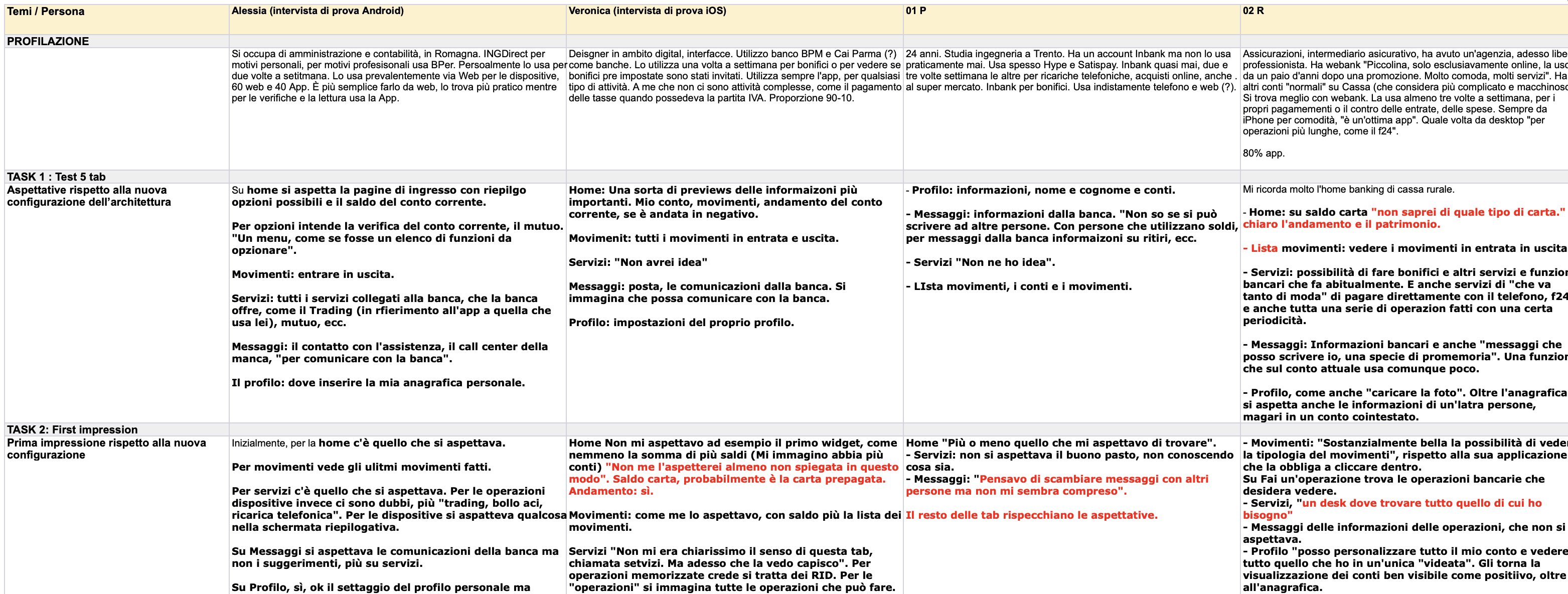
Users were asked to interpret too much information at once, navigate competing actions, and infer system behavior without sufficient cues. From a product perspective, UX decisions were often made locally, addressing single flows without fully considering their impact on the overall experience.

Without intervention, adding features meant increasing friction.

My Role

I worked as a Senior UI / Product Designer within a cross-functional team, collaborating with UX researchers, product managers, and engineers.

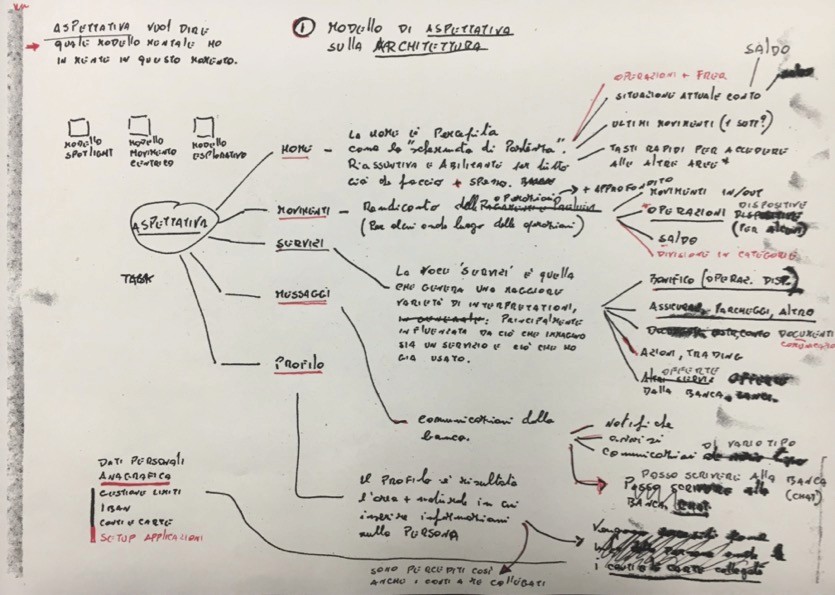
My responsibility was to translate research insights into clearer interaction models, reduce cognitive load across key flows, and ensure UX decisions were consistent at system level rather than optimized per screen.

Context

Inbank’s home banking serves a broad user base, from occasional users to more experienced customers managing frequent financial operations. As features accumulated over time, the experience became increasingly dense, with critical information competing for attention and actions lacking clear prioritization. The challenge was not the lack of functionality, but the difficulty for users to understand what mattered, when, and why.

The real problem

The core issue was not usability in isolation, but decision overload.

Users were asked to interpret too much information at once, navigate competing actions, and infer system behavior without sufficient cues. From a product perspective, UX decisions were often made locally, addressing single flows without fully considering their impact on the overall experience.

Without intervention, adding features meant increasing friction.

My Role

I worked as a Senior UI / Product Designer within a cross-functional team, collaborating with UX researchers, product managers, and engineers.

My responsibility was to translate research insights into clearer interaction models, reduce cognitive load across key flows, and ensure UX decisions were consistent at system level rather than optimized per screen.

Context

Inbank’s home banking serves a broad user base, from occasional users to more experienced customers managing frequent financial operations. As features accumulated over time, the experience became increasingly dense, with critical information competing for attention and actions lacking clear prioritization. The challenge was not the lack of functionality, but the difficulty for users to understand what mattered, when, and why.

The real problem

The core issue was not usability in isolation, but decision overload.

Users were asked to interpret too much information at once, navigate competing actions, and infer system behavior without sufficient cues. From a product perspective, UX decisions were often made locally, addressing single flows without fully considering their impact on the overall experience.

Without intervention, adding features meant increasing friction.

My Role

I worked as a Senior UI / Product Designer within a cross-functional team, collaborating with UX researchers, product managers, and engineers.

My responsibility was to translate research insights into clearer interaction models, reduce cognitive load across key flows, and ensure UX decisions were consistent at system level rather than optimized per screen.

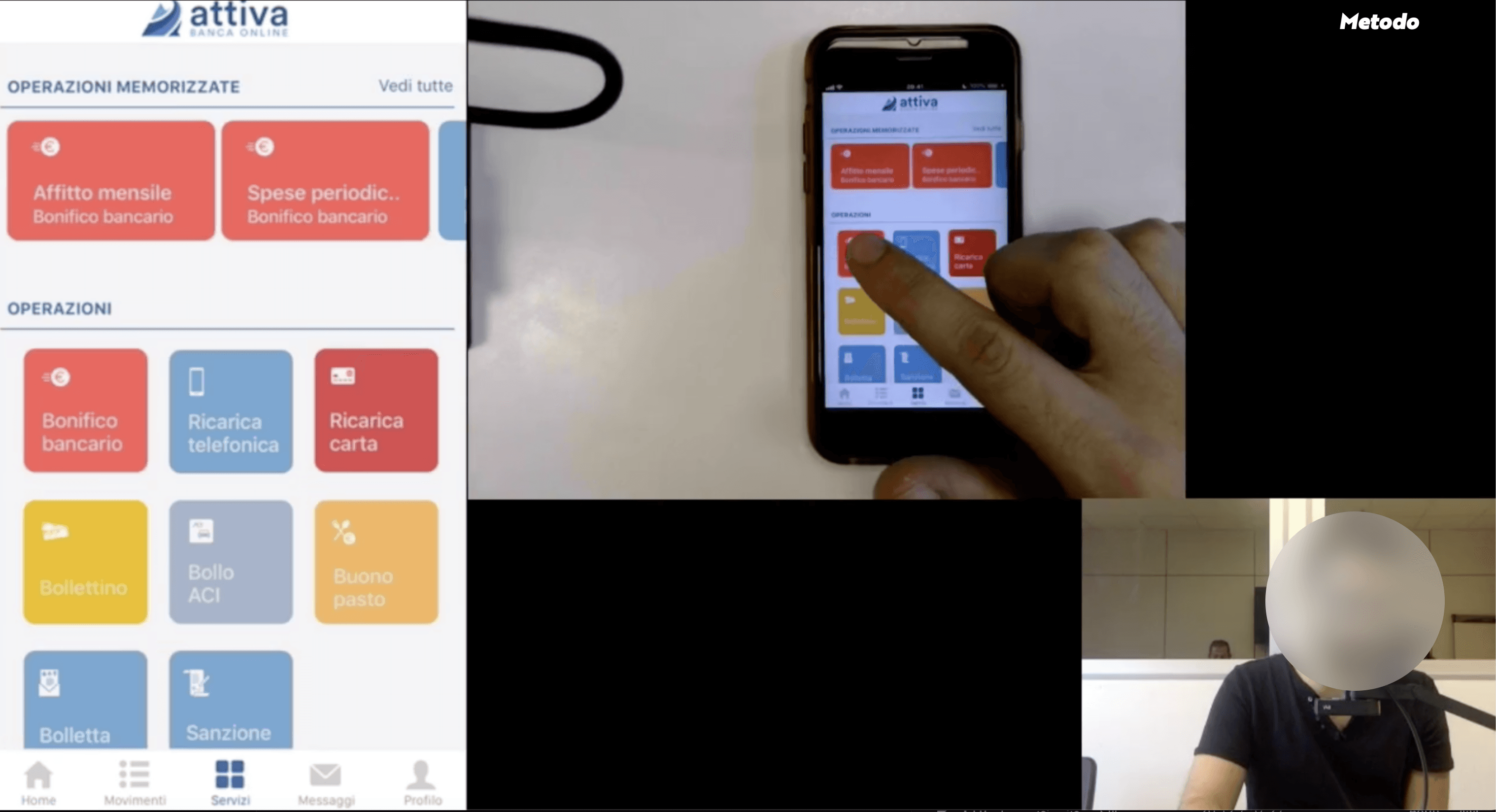
Designing for clarity and prioritization

The work focused on simplifying decision points rather than removing functionality. Information hierarchy was revisited to clarify what required immediate attention versus what could remain secondary. Interaction patterns were aligned to reduce uncertainty and make system behavior more predictable. Instead of redesigning isolated screens, the effort concentrated on defining consistent UX rules that could apply across the product, supporting both novice and experienced users without fragmenting the experience.
What changed

The redesigned experience reduced friction in key flows and made critical information easier to identify and act upon. UX decisions became more consistent across the product, collaboration between design and development improved, and future iterations could rely on clearer interaction principles rather than ad-hoc solutions.

The product did not become simpler, but it became easier to understand.

Reflection

Good UX in financial products is not about reducing complexity. It’s about making decisions understandable. When users understand what the system expects from them, trust and confidence follow.

E.

Currently available for product design roles
and system-driven projects on complex digital products.
If this way of thinking resonates, lets discuss a product.

© Edoardo Sportelli - 2026. Living in Italy, in Fiastra, nestled in the Sibillini Mountains. Like Tuscany, but better. Policy Privacy and Data Protection. No reuse or redistribution without permission.

Currently available for product design roles
and system-driven projects on complex digital products.
If this way of thinking resonates, lets discuss a product.

© Edoardo Sportelli - 2026. Living in Italy, in Fiastra, nestled in the Sibillini Mountains. Like Tuscany, but better. Policy Privacy and Data Protection. No reuse or redistribution without permission.

Thank you for taking a look!

If you'd like to explore more, you can head back to the portfolio page. I look forward to hearing from you.

© Edoardo Sportelli - 2024
Living in Italy, in Fiastra, nestled in the Sibillini Mountains. Like Tuscany, but better.

Policy Privacy and Data Protection.


No reuse or redistribution without permission.