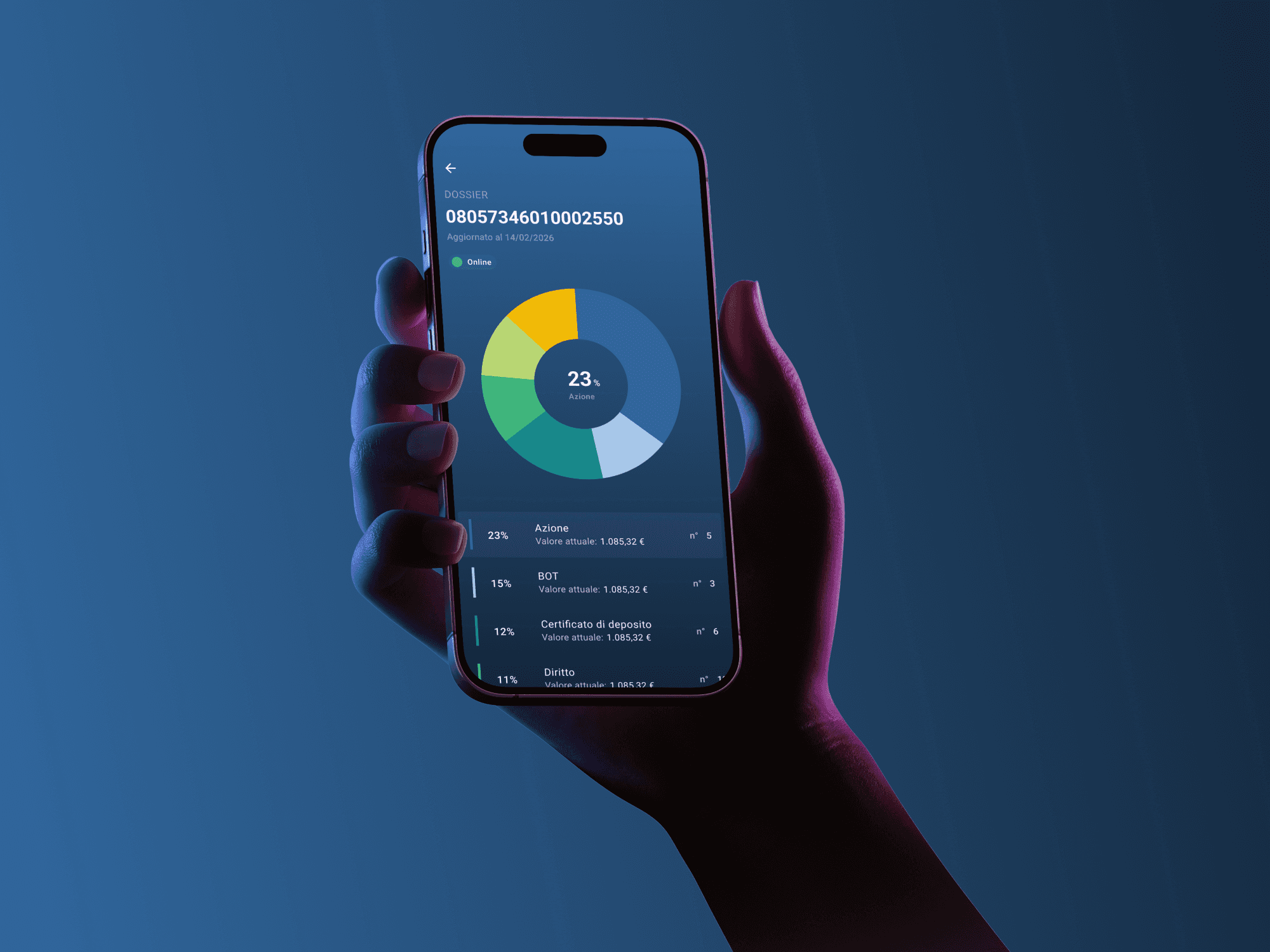
Inbank - Financial Platforms

Unified Design System for a Seamless Banking Experience Across Web, iOS, and Android

Duration

12 months +

Made with

Tangible

Stakeholder

Allitude

Industry

Home Banking

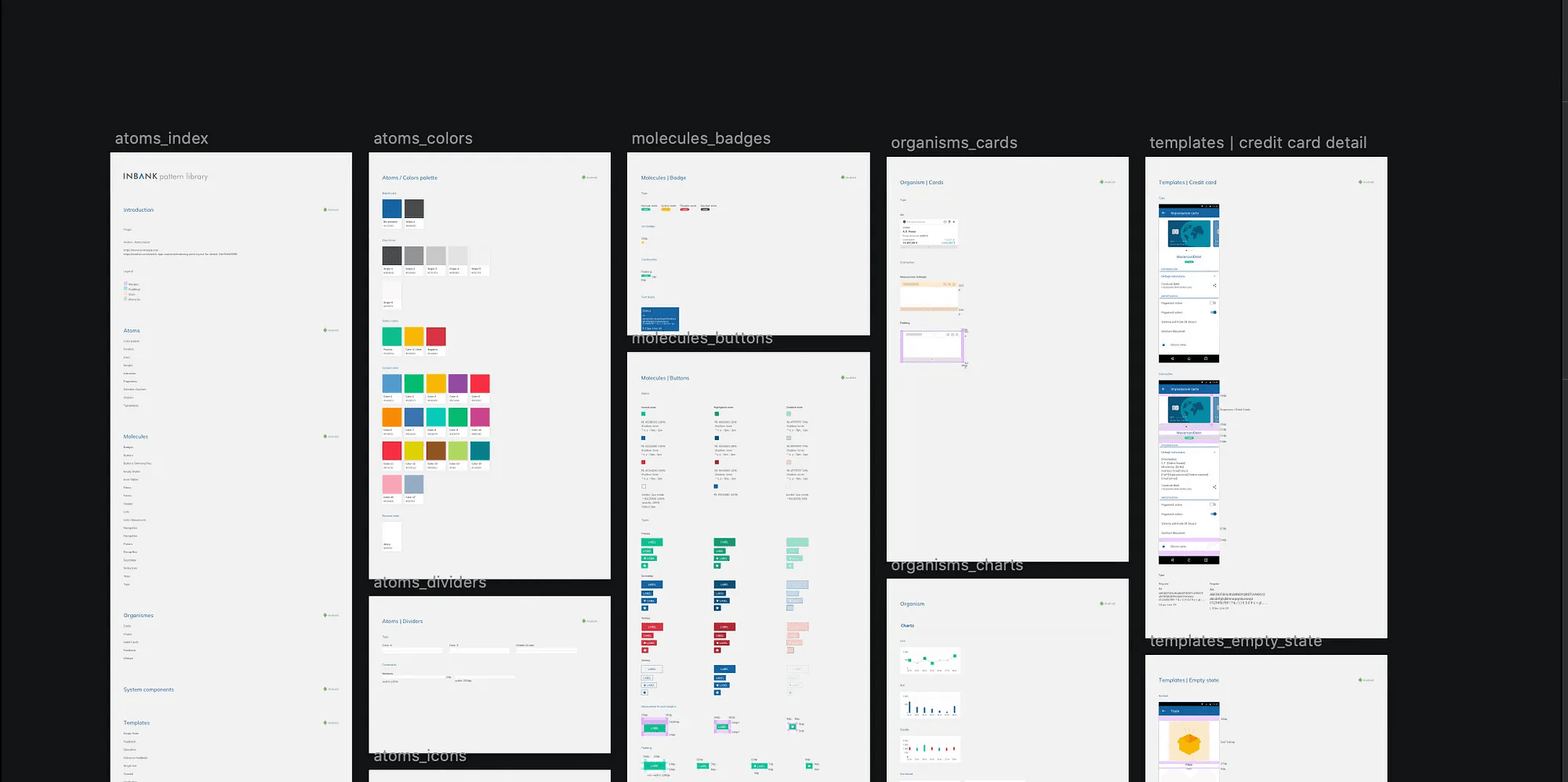
The Inbank design system was introduced when interface decisions started to slow the product down.Not because the UI lacked consistency, but because decisions were being re-made feature by feature, across teams that had developed their own patterns, systems, and local conventions.The problem wasnt visual divergence.It was the absence of a shared decision framework.

Inbank - Financial Platforms

Unified Design System for a Seamless Banking Experience Across Web, iOS, and Android

Duration

12 months +

Made with

Tangible

Stakeholder

Allitude

Industry

Home Banking

The Inbank design system was introduced when interface decisions started to slow the product down.Not because the UI lacked consistency, but because decisions were being re-made feature by feature, across teams that had developed their own patterns, systems, and local conventions.The problem wasnt visual divergence.It was the absence of a shared decision framework.

Inbank - Financial Platforms

Unified Design System for a Seamless Banking Experience Across Web, iOS, and Android

Duration

12 months +

Made with

Tangible

Stakeholder

Allitude

Industry

Home Banking

The Inbank design system was introduced when interface decisions started to slow the product down.Not because the UI lacked consistency, but because decisions were being re-made feature by feature, across teams that had developed their own patterns, systems, and local conventions.The problem wasnt visual divergence.It was the absence of a shared decision framework.

Context

Inbank is a multi-platform digital banking product spanning everyday banking and trading experiences. As the product grew, multiple teams worked in parallel, each optimizing locally for speed and delivery. Over time, different design systems emerged, each internally coherent but incompatible with the others. Interfaces worked within team boundaries, but broke down at product level. The cost of change increased, and alignment became progressively harder to achieve.

The real problem

The core issue was not inconsistency, but conflicting systems.

Teams made reasonable decisions within their own scope, but those decisions accumulated into incompatible rules, behaviors, and assumptions. Similar components behaved differently depending on ownership, and design discussions often turned into negotiations rather than decisions.

Without intervention, scaling the product meant scaling conflict.

My Role

I worked as a Senior UI / Product Designer within a cross-functional environment, acting as a connector between product teams, designers, and engineers.

My responsibility was not to replace existing systems, but to create the conditions for convergence: making decisions explicit, exposing conflicts, and guiding teams toward shared foundations that could support the product as a whole.

Context

Inbank is a multi-platform digital banking product spanning everyday banking and trading experiences. As the product grew, multiple teams worked in parallel, each optimizing locally for speed and delivery. Over time, different design systems emerged, each internally coherent but incompatible with the others. Interfaces worked within team boundaries, but broke down at product level. The cost of change increased, and alignment became progressively harder to achieve.

The real problem

The core issue was not inconsistency, but conflicting systems.

Teams made reasonable decisions within their own scope, but those decisions accumulated into incompatible rules, behaviors, and assumptions. Similar components behaved differently depending on ownership, and design discussions often turned into negotiations rather than decisions.

Without intervention, scaling the product meant scaling conflict.

My Role

I worked as a Senior UI / Product Designer within a cross-functional environment, acting as a connector between product teams, designers, and engineers.

My responsibility was not to replace existing systems, but to create the conditions for convergence: making decisions explicit, exposing conflicts, and guiding teams toward shared foundations that could support the product as a whole.

Context

Inbank is a multi-platform digital banking product spanning everyday banking and trading experiences. As the product grew, multiple teams worked in parallel, each optimizing locally for speed and delivery. Over time, different design systems emerged, each internally coherent but incompatible with the others. Interfaces worked within team boundaries, but broke down at product level. The cost of change increased, and alignment became progressively harder to achieve.

The real problem

The core issue was not inconsistency, but conflicting systems.

Teams made reasonable decisions within their own scope, but those decisions accumulated into incompatible rules, behaviors, and assumptions. Similar components behaved differently depending on ownership, and design discussions often turned into negotiations rather than decisions.

Without intervention, scaling the product meant scaling conflict.

My Role

I worked as a Senior UI / Product Designer within a cross-functional environment, acting as a connector between product teams, designers, and engineers.

My responsibility was not to replace existing systems, but to create the conditions for convergence: making decisions explicit, exposing conflicts, and guiding teams toward shared foundations that could support the product as a whole.

Governing conflicts through shared decisions

Rather than enforcing a single system upfront, the work focused on making differences visible and discussable.
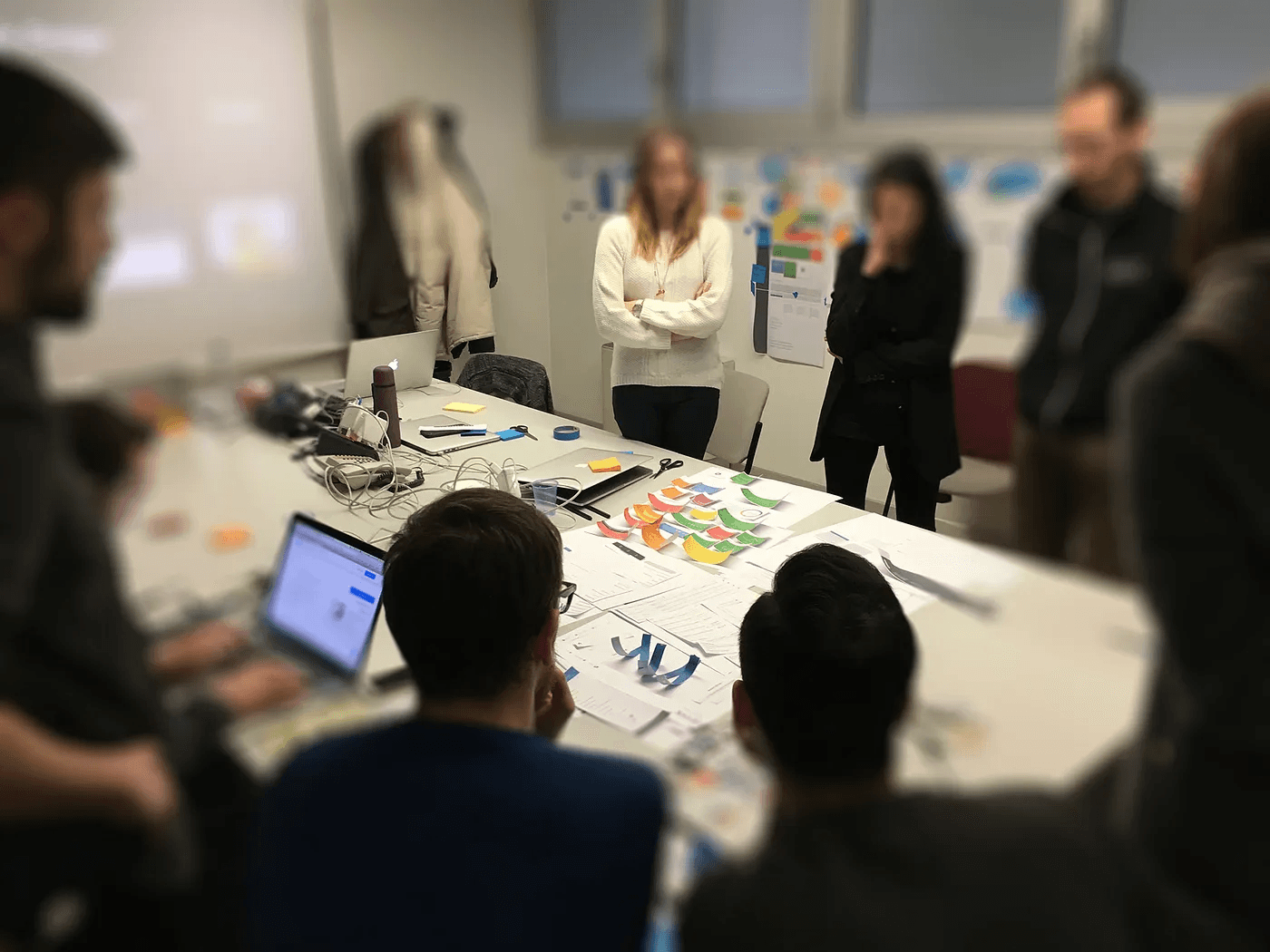
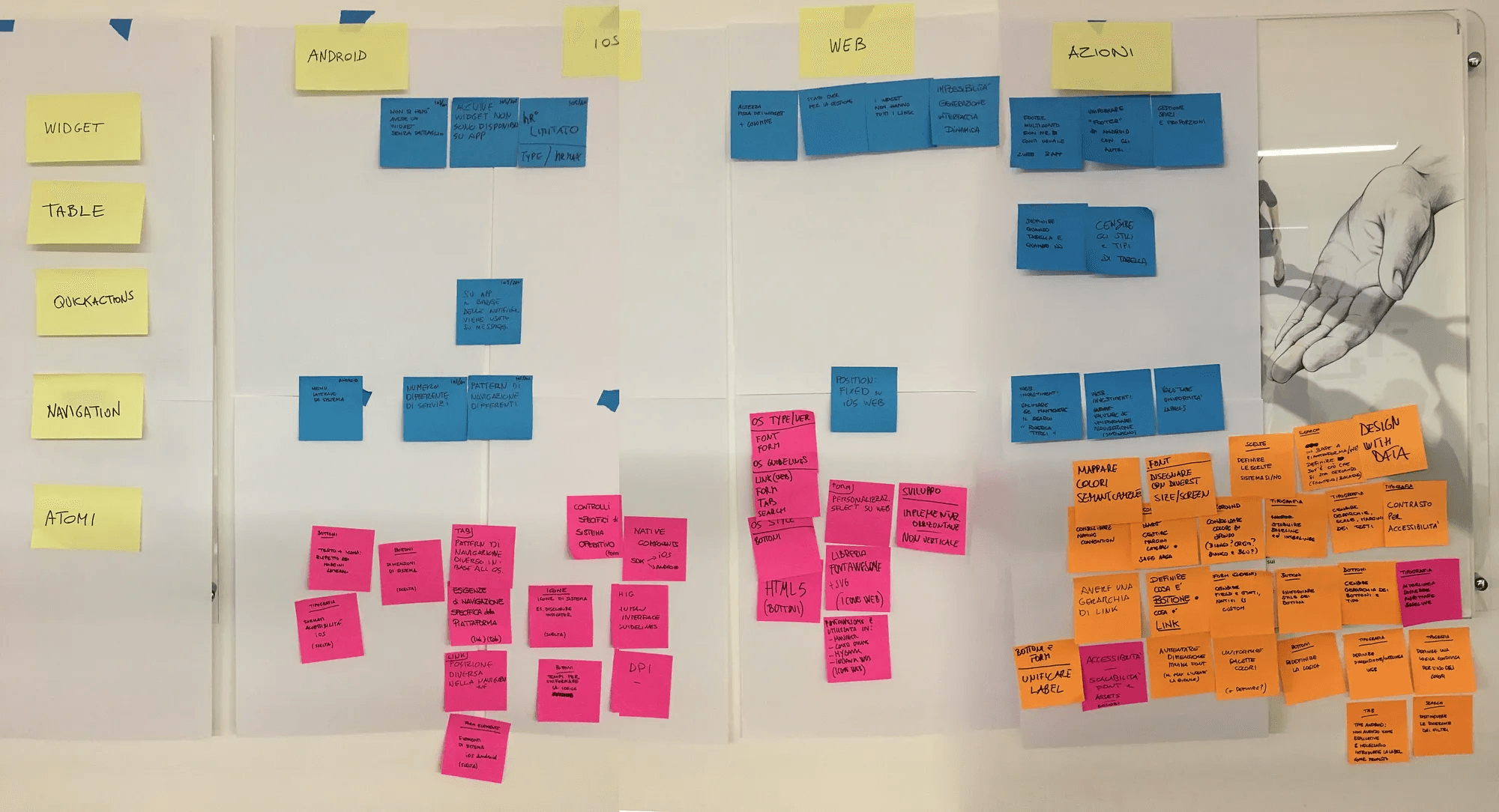
Workshops were used as a decision-making tool to surface implicit assumptions across teams. Instead of reviewing screens or components, sessions centered on questions such as which decisions needed to be global, which could remain contextual, and where divergence was actually valuable.

These conversations shifted the focus from visual preferences to system behavior, ownership, and long-term impact. Conflicting patterns were not immediately unified, but traced back to the decisions that generated them. This made it possible to identify common ground without erasing legitimate differences.

The outcome was not consensus by compromise, but a clearer decision structure that allowed previously separate design systems to converge into a shared foundation.
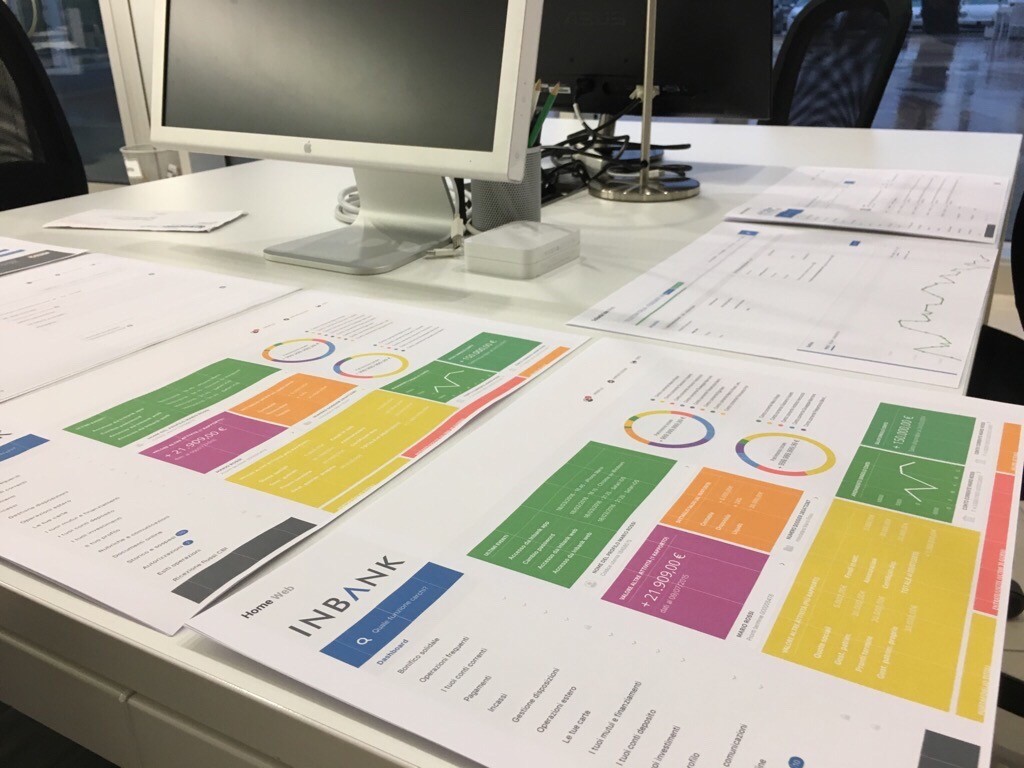
Obsolete and disheartening Android configuration

The primary challenge was aligning the design across three distinct platforms, each with its own set of guidelines and user expectations. Additionally, coordinating between separate teams for web and mobile development required effective communication and collaboration.

These conversations shifted the focus from visual preferences to system behavior, ownership, and long-term impact. Conflicting patterns were not immediately unified, but traced back to the decisions that generated them. This made it possible to identify common ground without erasing legitimate differences.

The outcome was not consensus by compromise, but a clearer decision structure that allowed previously separate design systems to converge into a shared foundation.

Allitude

Product Owner

Dimension 

Head of Development 

Tangible

Head of Design

Allitude

Internal Design Team

Tangible

Design Team

Dimension

App Development Team

Pigmento

Front-end Team

Evoq

Creative Director
Allitude

Product Owner

Dimension 

Head of Development 

Tangible

Head of Design

Allitude

Internal Design Team

Tangible

Design Team

Dimension

App Development Team

Pigmento

Front-end Team

Evoq

Creative Director
Allitude

Product Owner

Dimension 

Head of Development 

Tangible

Head of Design

Allitude

Internal Design Team

Tangible

Design Team

Dimension

App Development Team

Pigmento

Front-end Team

Evoq

Creative Director

What changed

Design discussions became less about negotiation and more about decisions. Teams shared a common language to reason about interfaces, onboarding required less context transfer, and feature delivery relied less on ad-hoc alignment. The design system did not remove complexity, but it transformed it from a source of friction into a manageable, shared structure.

Reflection

A more intuitive, efficient, and visually coherent banking experience, reducing complexity while enhancing usability. The integration of design tokens and a structured design system enables long-term adaptability and seamless platform evolution.
E.

Currently available for product design roles
and system-driven projects on complex digital products.
If this way of thinking resonates, lets discuss a product.

© Edoardo Sportelli - 2026. Living in Italy, in Fiastra, nestled in the Sibillini Mountains. Like Tuscany, but better. Policy Privacy and Data Protection. No reuse or redistribution without permission.

Currently available for product design roles
and system-driven projects on complex digital products.
If this way of thinking resonates, lets discuss a product.

© Edoardo Sportelli - 2026. Living in Italy, in Fiastra, nestled in the Sibillini Mountains. Like Tuscany, but better. Policy Privacy and Data Protection. No reuse or redistribution without permission.

Currently available for product design roles
and system-driven projects on complex digital products.
If this way of thinking resonates, let’s discuss a product.

© Edoardo Sportelli - 2024
Living in Italy, in Fiastra, nestled in the Sibillini Mountains. Like Tuscany, but better.

Policy Privacy and Data Protection.

No reuse or redistribution without permission.

E.